
Political momentum around kalshi impacts financial markets profoundly now
Political momentum around kalshi impacts financial markets profoundly now The Mechanics of Event Contracts and Market Liquidity The Role of Margin and Risk Management Regulatory Landscape and Legal Challenges The Impact of Regulatory Scrutiny on Innovation The Impact on Traditional Financial Markets The Potential for Algorithmic Trading and Market Efficiency Looking Ahead: The Future of Predictive Markets 🔥 Play ▶️ Political momentum around kalshi impacts financial markets profoundly now kalshi. The landscape of financial markets is constantly evolving, shaped by geopolitical events, economic indicators, and increasingly, by novel platforms for event-based trading. Among these, has emerged as a significant player, attracting attention from both seasoned investors and regulatory bodies. Its approach to trading, centered around contracts based on the outcomes of future events – from political elections to macroeconomic data releases – presents a unique challenge and opportunity for those seeking to profit from predictive accuracy. Understanding the mechanisms behind this platform, its potential impact, and the associated regulatory hurdles is crucial for anyone engaged in, or observing, modern financial markets. The core innovation of this exchange lies in its democratization of prediction markets. Traditionally, such markets were often limited to specialized institutions or high-net-worth individuals. However, aims to open these opportunities to a wider audience, allowing individuals to express their views on future events with real capital. This accessibility, coupled with the platform's focus on transparency and regulatory compliance, has fueled its rapid growth and spurred considerable debate about its role in the broader financial ecosystem. This growth has inevitably drawn scrutiny, leading to ongoing discussions surrounding its categorization and appropriate oversight. The Mechanics of Event Contracts and Market Liquidity At the heart of the platform are 'event contracts,' which represent agreements to pay or receive a fixed amount based on whether a specified event occurs. These events can range from the seemingly trivial – the number of votes a particular candidate will receive – to the profoundly impactful – the direction of a key economic indicator. The contracts are priced based on the perceived probability of the event occurring, as determined by the collective wisdom of the market participants. This creates a dynamic pricing mechanism, constantly adjusting as new information becomes available and sentiment shifts. The exchange facilitates trading of these contracts, allowing users to buy (“going long,” betting the event will happen) or sell (“going short,” betting the event won’t happen). The platform’s design encourages active market participation to maintain healthy liquidity. Maintaining sufficient liquidity is critical for the functioning of any exchange, and employs several strategies to achieve this. These include incentivizing market makers to provide continuous buy and sell offers, as well as attracting a diverse range of participants with varying risk appetites. A liquid market allows traders to enter and exit positions easily, reducing transaction costs and improving price discovery. Without adequate liquidity, the market can become susceptible to manipulation or experience significant price swings, which can deter participation. Furthermore, the platform offers tools for sophisticated traders to analyze market trends and develop trading strategies, further contributing to market efficiency. The underlying technology supporting these mechanics is continually being refined to ensure scalability and robustness. The Role of Margin and Risk Management Trading on involves the use of margin, meaning that traders only need to deposit a percentage of the total contract value to initiate a position. This leverage can amplify both potential profits and losses, making effective risk management paramount. The platform implements various safeguards to protect traders from excessive risk, including margin requirements, position limits, and automatic liquidation mechanisms. These mechanisms are designed to prevent traders from incurring losses beyond their initial deposit. Understanding these risk parameters is crucial for anyone considering participating in the market. The margin requirements are constantly adjusted based on market volatility and the specific characteristics of each event contract. Event Contract Example Initial Margin Requirement Maximum Position Limit 2024 US Presidential Election Winner $20 $500 October CPI Inflation Rate (above 3.0%) $10 $250 Next Federal Reserve Interest Rate Decision (Rate Hike) $15 $400 The example above highlights how margin requirements and position limits can vary significantly depending on the perceived risk associated with each event. These parameters are subject to change as market conditions evolve, emphasizing the importance of staying informed and practicing prudent risk management techniques. Regulatory Landscape and Legal Challenges The regulatory status of has been a subject of ongoing debate and legal challenges. The core issue revolves around whether event contracts should be classified as securities, futures, or a novel asset class altogether. If classified as securities, would be subject to stringent regulations imposed by the Securities and Exchange Commission (SEC). If classified as futures, the Commodity Futures Trading Commission (CFTC) would have regulatory authority. The platform currently operates under a No-Action letter from the CFTC, which allows it to offer certain types of event contracts without being subject to full commodity exchange regulations, but this status is not guaranteed indefinitely. The lack of clear regulatory guidance creates uncertainty for both the platform and its users. The SEC has expressed concerns that ’s contracts could be considered illegal off-exchange options or gambling activities. These concerns stem from the potential for speculation on events with no underlying economic value and the lack of investor protections typically associated with regulated securities markets. The SEC's stance poses a significant threat to the platform's future viability, as a formal enforcement action could lead to its shutdown or substantial restructuring. has argued that its contracts are fundamentally different from traditional securities, emphasizing their focus on predicting factual outcomes rather than investing in the value of companies. The outcome of this regulatory battle will likely have far-reaching implications for the future of prediction markets. The Impact of Regulatory Scrutiny on Innovation The current regulatory uncertainty surrounding highlights a broader challenge facing innovative financial technologies. Overly restrictive regulations can stifle innovation and prevent new platforms from reaching their full potential. Striking the right balance between investor protection and fostering innovation is crucial for maintaining a competitive and dynamic financial landscape.
Structure informs trading strategies involving kalshi and market predictions
Structure informs trading strategies involving kalshi and market predictions Understanding Market Mechanics on Kalshi Factors Influencing Contract Prices Developing a Trading Strategy Tools and Resources for Analysis The Role of Information and Market Efficiency The Impact of News and Events Regulatory Landscape and Future Trends Beyond Elections: Expanding Applications of Kalshi-like Platforms 🔥 Play ▶️ Structure informs trading strategies involving kalshi and market predictions The world of predictive markets is rapidly evolving, offering new avenues for individuals to express their viewpoints on future events and potentially profit from their foresight. Among the emerging platforms in this space, stands out as a unique exchange, utilizing a regulatory framework to facilitate trading on a wide range of outcomes. This isn’t simply gambling; it’s a system built on aggregating information and allowing market participants to collectively forecast what will happen, from political elections to economic indicators, and even the outcome of specific events. Understanding the structure underpinning these markets is crucial for developing effective trading strategies. The core principle behind and similar platforms revolves around the idea of decentralized prediction. Instead of relying on polls or expert opinions, these markets leverage the wisdom of the crowd. Participants buy and sell contracts that pay out based on the eventual outcome of an event. The price of these contracts reflects the collective belief of the market, providing a constantly updating probability assessment. This dynamic pricing mechanism, coupled with the incentive for accurate kalshi predictions, makes these platforms powerful tools for understanding and potentially capitalizing on future events. The ability to trade on a diverse range of topics, far exceeding traditional financial instruments, is a key differentiator. Understanding Market Mechanics on Kalshi Trading on involves understanding the specific contracts available and how they are priced. Each contract represents a potential outcome, and the price reflects the implied probability of that outcome occurring. For instance, a contract predicting a particular candidate winning an election will be priced based on the market’s assessment of that candidate’s chances. Traders can "buy" contracts, essentially betting that the outcome will occur, or "sell" contracts, betting against it. The profit or loss is determined by the difference between the purchase price and the eventual payout, which is typically $1 per contract if the prediction is correct. It’s important to note that operates under a Designated Contract Market (DCM) license from the Commodity Futures Trading Commission (CFTC), adding a layer of regulatory oversight not always present in other prediction market platforms. Factors Influencing Contract Prices Numerous factors contribute to the fluctuations in contract prices. News events, polling data, economic indicators, and even social media sentiment can all influence the perceived probability of an outcome. Understanding these factors and their potential impact is essential for successful trading. Furthermore, liquidity – the ease with which contracts can be bought and sold – plays a crucial role. Highly liquid markets tend to be more efficient, with prices more accurately reflecting the underlying probabilities. Traders must carefully analyze the available information, assess market sentiment, and manage their risk exposure to make informed decisions. The speed at which information is incorporated into the price is also a key consideration. Contract Type Description Payout Risk Level Yes/No Contracts Predicts a binary outcome (will it happen or won't it?) $1 if Yes, $0 if No (or vice versa) Moderate Multi-Outcome Contracts Predicts one outcome from a set of possibilities $1 for the correct outcome, $0 for others High Scalar Contracts Predicts a numerical value (e.g., unemployment rate) Payout varies based on the accuracy of the prediction Very High This table illustrates the different contract types available on and their associated risk levels. Choosing the right contract type depends on a trader's risk tolerance, expertise, and the specific event being predicted. Understanding the payout structure is also critical for calculating potential profits and losses. Developing a Trading Strategy A well-defined trading strategy is paramount for success on . This involves identifying events with predictable outcomes, assessing market sentiment, and managing risk effectively. Simply following the crowd rarely leads to consistent profits. Successful traders often look for discrepancies between their own analysis and the market’s implied probabilities, seeking opportunities to capitalize on perceived mispricings. This requires a deep understanding of the event being traded, as well as the ability to critically evaluate the information available. Furthermore, it's vital to diversify across multiple events to mitigate the risk associated with any single prediction. A robust strategy also incorporates disciplined position sizing and stop-loss orders to limit potential losses. Tools and Resources for Analysis Several tools and resources can aid in developing and executing a trading strategy. itself provides historical price data and market analytics. External sources, such as polling aggregators, economic calendars, and news feeds, can provide valuable insights. Furthermore, utilizing statistical analysis and modeling techniques can help to quantify probabilities and identify potential trading opportunities. Backtesting trading strategies using historical data can also help to assess their effectiveness and identify areas for improvement. However, it’s important to remember that past performance is not necessarily indicative of future results. Fundamental Analysis: Evaluating the underlying factors driving an event (e.g., economic conditions, political trends). Technical Analysis: Analyzing historical price patterns to identify potential trading signals. Sentiment Analysis: Gauging market sentiment from news articles, social media, and other sources. Risk Management: Implementing strategies to limit potential losses (e.g., stop-loss orders, position sizing). These principles, when combined with diligent research and a disciplined approach, can significantly enhance a trader's ability to navigate the complexities of predictive markets. Effective risk management is particularly important, as the potential for losses is always present. The Role of Information and Market Efficiency The efficiency of the market is heavily dependent on the availability and dissemination of information. When information is readily accessible and widely understood, market prices tend to be more accurate reflections of true probabilities. Conversely, when information is scarce or asymmetric, opportunities for profit may arise. However, these opportunities are often short-lived, as arbitrageurs quickly exploit mispricings. The speed at which new information is incorporated into market
Genuine traders evaluate is kalshi legit before exploring event contracts and potential payouts
Genuine traders evaluate is kalshi legit before exploring event contracts and potential payouts Understanding Kalshi's Regulatory Status How Kalshi Works: A Detailed Look at the Mechanics User Experience and Security Considerations Potential Risks and Rewards of Trading on Kalshi Beyond the Headlines: Navigating the Future of Event-Based Trading 🔥 Play ▶️ Genuine traders evaluate is kalshi legit before exploring event contracts and potential payouts The question of whether is kalshi legit is one that many potential users are asking as the platform gains prominence in the world of event-based trading. Kalshi is a regulated exchange where users can trade on the outcome of future events – from political elections to economic indicators and even sporting contests. This novel approach to financial markets has attracted a lot of attention, but it also raises legitimate questions about its legality, security, and overall trustworthiness. Understanding the regulatory framework, the platform’s mechanics, and the experiences of its users is crucial for anyone considering participating in this emerging market. Navigating the world of online trading requires careful consideration, and Kalshi is no exception. While the concept of trading on events might seem straightforward, the underlying complexities of the platform and the regulatory landscape demand thorough investigation. This article will delve into the various aspects of Kalshi, examining its legitimacy from multiple angles. We’ll explore its regulatory standing, its security measures, and the potential risks and rewards associated with trading on this unique exchange. We aim to provide a comprehensive overview to help individuals make informed decisions about whether Kalshi aligns with their investment goals and risk tolerance. Understanding Kalshi's Regulatory Status Kalshi’s legitimacy is fundamentally tied to its regulatory standing. Unlike many cryptocurrency exchanges or decentralized finance platforms operating in grey areas, Kalshi operates under the oversight of the Commodity Futures Trading Commission (CFTC) in the United States. This is a key difference and a significant indicator of its legitimacy. The CFTC regulates derivatives markets, and Kalshi received a Designated Contract Market (DCM) license, meaning it’s authorized to offer and list contracts for trading. This license isn’t easily obtained and requires Kalshi to adhere to strict financial and operational standards. This regulation doesn't completely eliminate risk, but it does provide a level of investor protection not typically found in unregulated exchanges. However, it’s important to note that the regulatory landscape surrounding event-based trading is still evolving. There have been challenges to Kalshi’s operation, particularly regarding certain event contracts that have been deemed to violate CFTC rules. These challenges involve concerns about whether the contracts comply with the principles of contract market regulation, specifically related to preventing manipulation and ensuring fair trading practices. Kalshi has actively worked to address these concerns, modifying its offerings and strengthening its compliance procedures. The CFTC continues to monitor Kalshi closely, signifying the ongoing scrutiny and the importance of the regulatory framework in maintaining the platform’s legitimacy. Regulatory Body Kalshi's Status Key Implications Commodity Futures Trading Commission (CFTC) Designated Contract Market (DCM) License Holder Subject to strict financial and operational standards; increased investor protection. Securities and Exchange Commission (SEC) Currently not under direct SEC oversight Potential for future regulatory changes; ongoing monitoring of the event-based trading space. State Regulators Compliance varies by state Users should be aware of potential state-specific regulations impacting their trading activities. Understanding the details of the regulatory landscape is vital. While the CFTC licensing provides a degree of assurance, it's essential to stay informed about potential regulatory shifts. The SEC may become more involved in overseeing similar platforms in the future, and state-level regulations can vary significantly, impacting accessibility and trading options. How Kalshi Works: A Detailed Look at the Mechanics To assess if Kalshi is legitimate, it's crucial to understand how it actually works. Kalshi isn’t a platform for traditional stock or bond trading. Instead, it allows users to buy and sell “contracts” on the outcome of future events. These contracts represent the probability of an event happening. For instance, there might be a contract on “Who will win the 2024 US Presidential Election?” or “Will the unemployment rate be above 4% in December 2023?” The price of a contract fluctuates based on market sentiment and the perceived likelihood of the event occurring. Users profit by correctly predicting the outcome of the event. If an event is likely to happen, the "yes" contract will trade at a higher price, and vice-versa. The platform operates on a margin system, meaning users don’t need to put up the full value of a contract to trade it, which can amplify both profits and losses. One of the key features of Kalshi is its “market maker” system. Unlike traditional exchanges where orders are matched directly between buyers and sellers, Kalshi uses designated market makers to ensure liquidity and fair pricing. These market makers provide both buy and sell orders for contracts, narrowing the spread and making it easier for users to enter and exit positions. This active market-making process helps to prevent manipulation and maintain a more stable trading environment. The fees on Kalshi are relatively low compared to some traditional trading platforms, but users should still be aware of the costs involved, including transaction fees and potential margin costs. Understanding the mechanics is essential for anyone considering trading on the platform; it's not a passive investment and requires active monitoring and strategic decision-making. Contract Types: Kalshi offers a diverse range of contracts covering politics, economics, and current events. Market Makers: Designated market makers ensure liquidity and prevent price manipulation. Margin Trading: Users can trade contracts with a smaller upfront investment. Settlement: Contracts are settled based on the actual outcome of the event, verified by independent sources. The mechanics of Kalshi, including the role of market makers and the use of margin, are designed to create an efficient and liquid market. However, these features also introduce inherent risks. Margin trading, in particular, can magnify losses if predictions are incorrect, so a solid understanding of risk management is essential for successful trading. User Experience and Security Considerations Beyond regulation and
Detailed predictions surround kalshi trading for informed decision-making
Detailed predictions surround kalshi trading for informed decision-making The Mechanics of Kalshi Trading Understanding Market Liquidity and Volatility Risk Management Strategies for Kalshi Traders Leverage and Margin Considerations The Regulatory Landscape and Future Outlook Expanding Applications Beyond Trading The Role of Data Analysis and Algorithmic Trading Evolving Trends and Future Innovations 🔥 Play ▶️ Detailed predictions surround kalshi trading for informed decision-making The financial landscape is constantly evolving, and with it, new avenues for investment and speculation emerge. One such relatively novel platform gaining traction is kalshi, a marketplace for trading contracts on future events. This isn't your traditional stock market; it's a space where individuals can take positions on the outcomes of political elections, economic indicators, and even natural disasters. The core concept revolves around predicting future events and profiting from those predictions, offering a unique blend of finance, forecasting, and risk management. It’s attracting attention from traders seeking diversification and those interested in a new form of market participation. Understanding the intricacies of event-based trading requires a departure from conventional investment strategies. The value of contracts on kalshi fluctuates based on the perceived probability of an event occurring. Sophisticated algorithms and a community of traders contribute to price discovery, making it a dynamic and potentially lucrative environment. However, it’s essential to approach this market with a thorough understanding of the underlying mechanisms, the associated risks, and the regulatory framework governing its operation. This article aims to provide a comprehensive overview of kalshi, its features, its potential benefits, and the challenges it presents to both seasoned traders and newcomers alike. The Mechanics of Kalshi Trading At its heart, kalshi operates as a designated contract market (DCM), meaning it’s regulated by the Commodity Futures Trading Commission (CFTC) in the United States. This regulatory oversight provides a degree of legitimacy and protection for traders, distinguishing it from some other prediction markets. The platform allows users to buy and sell contracts representing the probability of a specific event occurring. These contracts are priced between 0 and 100, reflecting the market’s consensus view on the likelihood of the event happening. A price of 50 suggests a 50% probability, while a price of 80 indicates an 80% probability, and so on. Traders profit by correctly predicting the outcome – buying low and selling high if they believe an event is more likely to occur, or selling high and buying low if they anticipate an event is less likely. The settlement process is straightforward. When the event concludes, the contracts are settled based on the actual outcome. For example, if a contract predicts the winner of an election, and the predicted candidate wins, those who held contracts predicting that outcome receive a payout. Conversely, those who bet against the winning candidate lose their investment. The key is to understand the market's expectations and find opportunities where your own assessment of probability differs significantly from the prevailing price. This often involves conducting thorough research and analysis, considering various factors that could influence the event’s outcome. Understanding Market Liquidity and Volatility Like any market, liquidity and volatility play crucial roles in kalshi trading. Liquidity refers to the ease with which contracts can be bought and sold without significantly impacting the price. Higher liquidity generally means tighter spreads and lower transaction costs. Volatility, on the other hand, measures the degree of price fluctuation. Highly volatile markets offer the potential for larger profits but also carry a greater risk of losses. Understanding these concepts is critical for managing risk and optimizing trading strategies. Events with widespread public interest tend to have higher liquidity and volatility, while more obscure events may be less actively traded. Furthermore, external factors, such as breaking news or unexpected developments, can significantly impact market prices. Traders need to stay informed about relevant events and be prepared to adjust their positions accordingly. Using limit orders can help control the price at which trades are executed, mitigating the risk of being caught off guard by sudden market movements. Monitoring trading volume and open interest (the total number of outstanding contracts) can also provide valuable insights into market sentiment and potential price trends. Event Category Typical Liquidity Typical Volatility Political Elections High Moderate to High Economic Indicators (e.g., GDP) Moderate Moderate Natural Disasters Low to Moderate High Pop Culture Events Low Moderate The table above illustrates the general characteristics of different event categories traded on kalshi. It’s crucial to remember that these are just guidelines, and actual liquidity and volatility can vary depending on the specific event and market conditions. Risk Management Strategies for Kalshi Traders Trading on kalshi, like any financial activity, involves risk. The potential for loss is inherent in predicting future events, as unforeseen circumstances can always alter outcomes. Effective risk management is therefore paramount for success. One fundamental strategy is diversification – spreading investments across multiple events to reduce the impact of any single unfavorable outcome. Instead of putting all capital into a single election, for instance, a trader might allocate funds to several different events with uncorrelated outcomes. Another important principle is position sizing. This involves carefully determining the amount of capital allocated to each trade, based on risk tolerance and the probability of success. A common rule of thumb is to risk no more than 1-2% of total capital on any single trade. Stop-loss orders, which automatically close a position when the price reaches a predetermined level, can also help limit potential losses. Finally, it’s essential to maintain a disciplined approach and avoid emotional trading, making decisions based on sound analysis rather than fear or greed. Leverage and Margin Considerations While kalshi doesn’t offer traditional leverage in the same way as margin accounts in stock trading, the inherently probabilistic nature of the contracts can create a form of amplified exposure. A relatively small investment in a contract with a high payout potential can yield significant returns if the event occurs as predicted. However, this also means that losses can be substantial if the prediction proves incorrect. It’s crucial to fully understand

Taller en Rivas
, Taller en Rivas¿Qué es un taller especializado? Taller en Rivas es un taller especializado, es aquel que dispone de un conocimiento especifico de unas marcas en concreto, ese conocimiento se adquiere principalmente con cursos específicos, mecánicos con una amplia experiencia en dichas marcas. Una tecnología especifica que hace que nuestra diagnosis del vehículo sea certera al 100%, ahorrando tiempo y dinero al cliente. En nuestro caso, Botioauto, taller en Rivas, está especializado en el grupo: Audi, Skoda, Seat y Volkswagen, con experiencia en ellas desde hace más de 30 años, todo esto hace que seamos el mejor taller especializado y un referente en Rivas en esas marcas y en toda la Comunidad de Madrid. ¿Por qué confiar en Botioauto? Por nuestra experiencia, como taller en Rivas de coches con las marcas del grupo volkswagen, Audi, Seat, Skoda, ya que llevamos más de 30 años cuidando de automóviles como el tuyo y gracias a nuestra experiencia y tecnología, detectamos en seguida cuales son los problemas que tiene tu coche y la solución mejor y mas económica. Como taller, también realizamos un mantenimiento preventivo, llevando así un control de tu vehículo para evitar que le pueda surgir algún problema, de esa forma no tengas más que llevar el coche al taller nada más que para comprobar que está todo en orden.

Cambio automático y manual
Cambio automático y manual La caja de cambios es fundamental en el vehículo. Es por eso que vamos a hablarte del cambio automático y manual, de las diferencias que puede haber, de los beneficios de ambos y de por qué somos el mejor taller de reparación en Madrid. ¿Qué es la caja de cambios? Es un componente imprescindible en un automóvil. Transfiere la potencia al motor proporcional al desarrollo requerido del vehículo. Al ser una de las partes más importantes en el funcionamiento de un coche, debemos tener en cuenta llevar un control siempre que podamos. Tipos de cajas de cambios y sus funciones Hay varias formas de clasificar los tipos de cajas de cambios que se diferencian según sus funciones y también según el número de ejes: manuales y automáticas. También en algunos vehículos se permite el hecho de combinar ambas. Estas son las principales diferencias entre el cambio automático y manual: Manuales: el cambio se realiza obligatoriamente a través del conductor. La velocidad de cambio es mayor a las cajas automáticas y el motor puede llegar a tener más fuerza y potencia. Automáticas: Se realizan de forma autónoma, sin necesidad de que el conductor las cambie. Esta tecnología la podemos encontrar sobre todo en los coches híbridos. En resumidas cuentas, la función es la misma, solo que la manual hay que cambiar de velocidad y la automática lo hace sola. Beneficios del cambio automático Consumo constante, a diferencia del cambio manual. Comodidad de no tener que estar pendiente de cuando cambiar. Más exacto el cambio. No estar pendiente de que el pie pise el embrague. Menor cansancio en la conducción. Beneficios del cambio manual Mayor variedad de coches de cambio manual que de automáticos. Se puede utilizar el cambio de marchas manual como freno de motor. Las cajas de cambio manual son más duraderas. Las reparaciones son menos costosas que las automáticas. ¿Cómo se puede saber si una caja de cambios está mal? Es fácil distinguir los problemas del cambio automático y manual. Si algunos de los engranajes internos (piñones) o alguna pieza se deteriora debido al desgaste, las velocidades no engranan bien (cambio inexacto, ruidos, saltos de palanca o movimiento brusco de motor, es decir, la posibilidad de notar “tirones” en el vehículo). Es posible que si la caja está en mal estado, puede llegar a dejar de funcionar por completo, lo que supondría un gran riesgo para el vehículo. ¿Por qué Botiauto es tu mejor opción para las reparaciones de cajas de cambios en rivas Vaciamadrid? Porque contamos con la más moderna tecnología y el mejor equipo de diagnosis del mercado, además de un personal cualificado con una amplia experiencia ya que el taller lleva más de 30 años dado que nuestro compromiso con el cliente es de calidad. Trabajamos con las marcas Audi, Volkswagen, Seat y Skoda y nuestra principal prioridad es que confíes en nosotros. Es por eso que tenemos la mejor reparación en la caja de cambios en Rivas Vaciamadrid y estamos especializados en el ámbito del cambio automático y manual. Algunas cajas se pueden reparar a base de piezas sueltas de recambio o se pueden sustituir por una caja nueva, directamente. Sea cual sea el caso y tenga el problema que tenga, en Botioauto estamos especializados en resolverte tus problemas. Así que no tengas ninguna duda en consultarnos para más información. En conclusión… La caja de cambios es una parte fundamental para tu vehículo, es por eso que hay que mimarla y conseguir que funcione siempre bien. Si se mantiene un continuo control del vehículo no deberías tener ningún problema. En nuestro taller situado en Rivas Vaciamadrid, estaremos encantados de llevarte un seguimiento para que no tengas nunca problemas.
5 Claves para evitar averías en el common rail
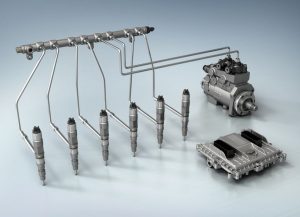
Reparacion inyectores common rail claves para evitar averias en el common rail -Revisar cada 80.000 km -Sustitucion del filtro de drenado cada 10.000 km 5 Recomendaciones básicas de Botioauto : 1º.-Nunca deje bajar el nivel del tanque de combustible, por debajo del cuarto. 2º.-Realice la revisiones periódicas recomendadas por el fabricante y no las demore. 3º.-Si va reparar un inyector, mejor hágalo a los cuatro, pues todos se afectan de manera proporcional 4ºRevisar cada 80.000 km 5ºSustitucion del filtro de drenado cada 10.000 km Que mejor sitio que repararlo, que en Botioauto!!! tu taller especializado en Rivas vaciamadrid de Madrid, la reparación de inyectores common rail ya que disponemos de una máquina especializada para ello y una experiencia de mas de 30 años como taller.
limpieza inyectores piezo eléctricos
Inyectores piezoeléctricos en rivas vaciamadrid Las singulares características y propiedades de la piezoelectricidad se apreciarón inicialmente por vez primera por los hermanos Pierre y Jacques Curie en el siglo xxI en concreto en el año 1881, desgranando y estudiando de manera por menoriza la comprensión del cuarzo. Cuando este material se le somete a la acción mecánica de la compresión, las cargas que tiene la materia se disgregan y la consecuencia es la polarización en la carga que, y el efecto es que salten chispas. Que es la piezoelectricidad, como un taller puede limpiar los inyectores piezo eléctricos? Resumiendo la podemos definir como un fenómeno que poseen ciertos cristales, que cuando les aplicas una fuerza exterior se deforman y producen diferencia de potencial. Así mismo, también es posible el efecto contrario, aplicando una tensión determinada estos cristales se deforman, como ejemplo gráfico tenemos los mecheros tipo magiclik. Cuando apretamos el botón de encendido que a su vez abre el paso de gas de dicho encendedor, se deforma un piezo eléctrico, salta la chispa y produce llama, de esta manera no es necesario una batería. Finalizando el año 2005, Robert Bosch GMBH, dio a conocer al mercado el innovador sistema de inyección Common Rail , con la primicia de comunicar la altísima presión que desarrollaba la inyección, esto gracias a la tecnología de inyectores Piezo Eléctrico. Esto desarrollo una revolución en la tecnología del sector. Esta revolución del inyector Piezo Eléctrico, repercutió en una fuerte demanda mundial a partir del año 2008; y con razon pues da como resultado un altísimo rendimiento a bajo consumo con unos niveles muy bajos de contaminación. La marca de piezas de automóvil Bosch, firma que ofreció en su tercera generación de Common Rail presiones de hasta 1600 bar; presión que ha sido incrementada a casi el doble de bar, de esta manera consigue una contaminación casi inexistente. El funcionamiento de los inyectores es que trabajan bajo expansión de los piezo cristales y de esta manera producen un campo eléctrico para provocar la interrupción del actuador del inyector en un tiempo record menos de 10 milisegundos, reduciendo a menos de la mitad el tiempo que tiene el sistema tradicional del inyector inductivo de common rail. Cuando se mueve el actuador Piezo Eléctrico se transmite al interruptor rápido con sistema de aguja de tobera sin fricción y asi consigue la atomización del combustible precisa y casi perfecta. La velocidad de respuesta mucho mayor, permite que los intervalos entre cada inyección: pre-inyección, inyección y post inyección, se reduzcan en el tiempo facilitando tener un mejor control del proceso en general. Ya, en la última generación, la presión de la inyección fue incrementada hasta los 2.500 bar y se estima que en el futuro las presiones podrán llegar hasta los 4.000 bar A día de hoy la mayor parte de las firmas utiliza el sistema de inyectores piezo eléctricos, la razón que determina esta elección es que, los piezo eléctricos son más ligeros y tienen un velocidad de reacción mayor, unas 10 veces más rápidos que los inductivos, esto hace que dentro de cada ciclo de explosión se produzcan varias inyecciones aumentando la suavidad de funcionamiento y reduciendo aún más el consumo. La cantidad de inyecciones por ciclo en los piezo eléctricos puede alcanzar la cantidad de cinco, 2 preinyecciones, la inyección principal y dos post inyecciones. Hay otras marcas de inyectores de gran calidad que en botioauto limpiamos y arreglamos desarrollados por las marcas Siemens VDO Automotive AG con la tecnología piezoeléctrica, que llegan a cubrir con holgura la normativa euro 4. Cifras: Las cifras hablan por si solas, como ejemplo comparativo la inyección diesel con piezo eléctricos, da frente a los otros sistemas aún en uso, una reducción del consumo del 3% aprox. reduce las emisiones contaminantes hasta en un 20%, es capaz de aumentar la potencia en mas de un 5% y de disminuye el nivel de ruido del motor. Desde que el protoocolo de Kioto esta en vigor, se han alcanzado grandes avances en materia de reducción de contaminantes, ya que los fabricantes de automóviles estan mas controlados y han tenido que ceñirse a las continuas exigencias por parte de la Unión Europea, desarrollando para ello sistemas como los filtros de partículas. Botioauto taller especializado en limpieza y mantenimiento de inyectores Piezo electricos, disponemos de un equipo de la marca Bosch que ponemos a disposición para solucionar las averías de los clientes y para terceros de otros talleres. Limpieza de inyectores piezo electricos en Rivas Vaciamadrid.

Todos los consejos para cambiar de aceite
El aceite es un elemento esencial para el buen funcionamiento del motor y para una mayor longevidad del mismo. Impide la fricción en las articulaciones de las piezas móviles del motor, las (bielas, bulones, etc.). El filtro, por su parte, tiene como misión retener las impurezas acumuladas en el aceite del motor. Existen dos tipos de filtros de aceite, ¿sabes cuáles son? • el filtro de aceite «atornillado»: el cartucho de filtrado es solidario respecto a su carcasa metálica. • el filtro de aceite tipo «cartucho». ¿Por qué cambiar el aceite del motor? Un retraso en el cambio del aceite motor puede tener dos consecuencias: • El aceite se evapora con el paso del tiempo y baja el nivel de aceite del depósito • El aceite se ensucia y pierde su eficacia Si se cumpliesen estos dos efectos el motor podría romperse. ¿Cuándo realizar el cambio del aceite de motor? • Cada motor tiene un intervalo de cambio de aceite propio que puede variar entre los 10.000 y los 30.000 km y/o cada uno o dos años. Puedes consultarlo en la ficha de mantenimiento del coche. • Algunos vehículos están equipados con un indicador de mantenimiento en el salpicadero. Indica los kilómetros que restan antes del siguiente mantenimiento. Pasos para cambiar el aceite y el filtro del motor Calentar el motor durante un periodo de entre 5 y 10 min. y, a continuación, parar el motor antes de iniciar la intervención. De hecho, el aceite se vierte mejor cuando está caliente. Elevar el vehículo sobre cuatro soportes de columna. Retirar la cubierta de los bajos del motor para acceder al tapón del cárter (depósito de aceite del motor) y al filtro de aceite si el vehículo dispone del mismo. Esta cubierta protege toda la superficie inferior del motor de cualquier elemento proyectado y de la suciedad. Colocar la bandeja de vaciado bajo el cárter para recoger al mismo tiempo el aceite del cárter y el del filtro de aceite (durante su sustitución). Retirar el tornillo del cárter situado bajo el coche para poder vaciar el aceite del motor. Utilizar guantes de látex para no mancharse y para evitar quemaduras cuando el aceite está caliente. Retirar el tapón de rellenado de aceite para facilitar el vertido del mismo. Sustituir el filtro de aceite mientras se vierte el aceite. Una vez finalizado el vertido, añadir por la parte del tapón de rellenado el equivalente a un vaso de aceite nuevo para limpiar los últimos residuos del aceite usado. Una vez finalizado el vertido de este nuevo aceite añadido, volver a colocar el tornillo del cárter de aceite con su nueva junta. Verter aproximadamente las tres cuartas partes de la cantidad total de aceite recomendada por el fabricante. Esperar un minuto y poner en marcha el motor durante unos segundos para reiniciar el circuito de presión de aceite, en el caso de que se ilumine el indicador del aceite, puede cortar el contacto. Añada una pequeña cantidad (aprox. 10 cl) hasta obtener un nivel de aceite sobre la marca «maxi» de la varilla. No se olvide de volver a colocar el tapón de rellenado de aceite.

